Whether you’re a competitive athlete, weekend warrior, CrossFit enthusiast, or simply trying to recover from an injury, you’ve probably seen countless recovery tools promising faster healing, less soreness, and better performance. From ice baths to hyperbaric oxygen therapy, it can be difficult to know what’s worth your time and money.
At Apex Physical Therapy & Sports Performance, we help patients in Cumming and Milton, Georgia recover smarter—not just harder. While no recovery tool replaces proper sleep, nutrition, hydration, and a well-designed training program, some recovery methods can absolutely support healing and improve performance.
Here’s how we rank some of today’s most popular recovery modalities.
Red Light Therapy: 4/10
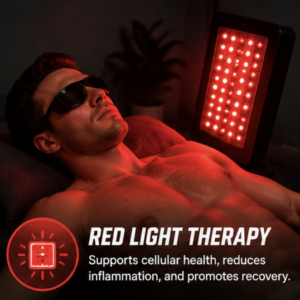
Red light therapy has gained popularity for its potential to support cellular health, reduce inflammation, and promote recovery. The challenge is that many people don’t receive enough exposure to achieve meaningful results.
While research suggests red light therapy may help support tissue healing and recovery, it often requires consistent and frequent treatments over time to produce noticeable benefits. For most individuals, it can be a useful addition to a recovery routine, but it’s rarely a game-changer on its own.
Best for: General wellness, inflammation management, and recovery support.
Ice Baths: 0/10 Immediately After Training
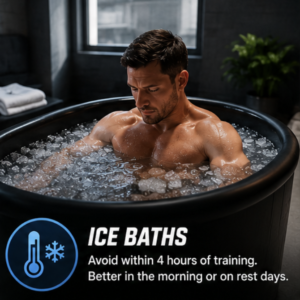
This ranking might surprise some people.
If your goal is to maximize strength gains, muscle growth, and adaptation from training, jumping into an ice bath within four hours of exercise may actually work against you. The inflammatory response following exercise is part of how your body adapts and becomes stronger.
Blunting that response immediately after training can potentially reduce some of the positive adaptations you’re trying to achieve.
However, ice baths aren’t always bad.
Using cold exposure first thing in the morning or on non-training days may help lower stress, improve alertness, and reduce overall inflammation. In that context, we’d move ice baths up to roughly a 6 or 7 out of 10.
Best for: Recovery between competitions, managing soreness, and morning wellness routines—not immediately after strength training.
For more information about exercise recovery and performance adaptation, the National Academy of Sports Medicine (NASM) offers evidence-based resources for athletes and active adults.
Sauna: 9/10
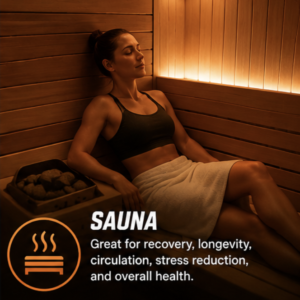
If we had to recommend one recovery tool that provides benefits far beyond athletic performance, the sauna would be near the top of the list.
Regular sauna use has been associated with improved cardiovascular health, enhanced recovery, reduced stress, improved circulation, and even increased longevity. Some research has also linked frequent sauna use with reduced risks of certain chronic diseases.
The increased blood flow and heat exposure can help muscles recover while also delivering long-term health benefits that extend well beyond the gym.
Best for: Recovery, cardiovascular health, stress management, and overall wellness.
Research from the Mayo Clinic and other medical institutions continues to support the benefits of regular sauna use when used safely.
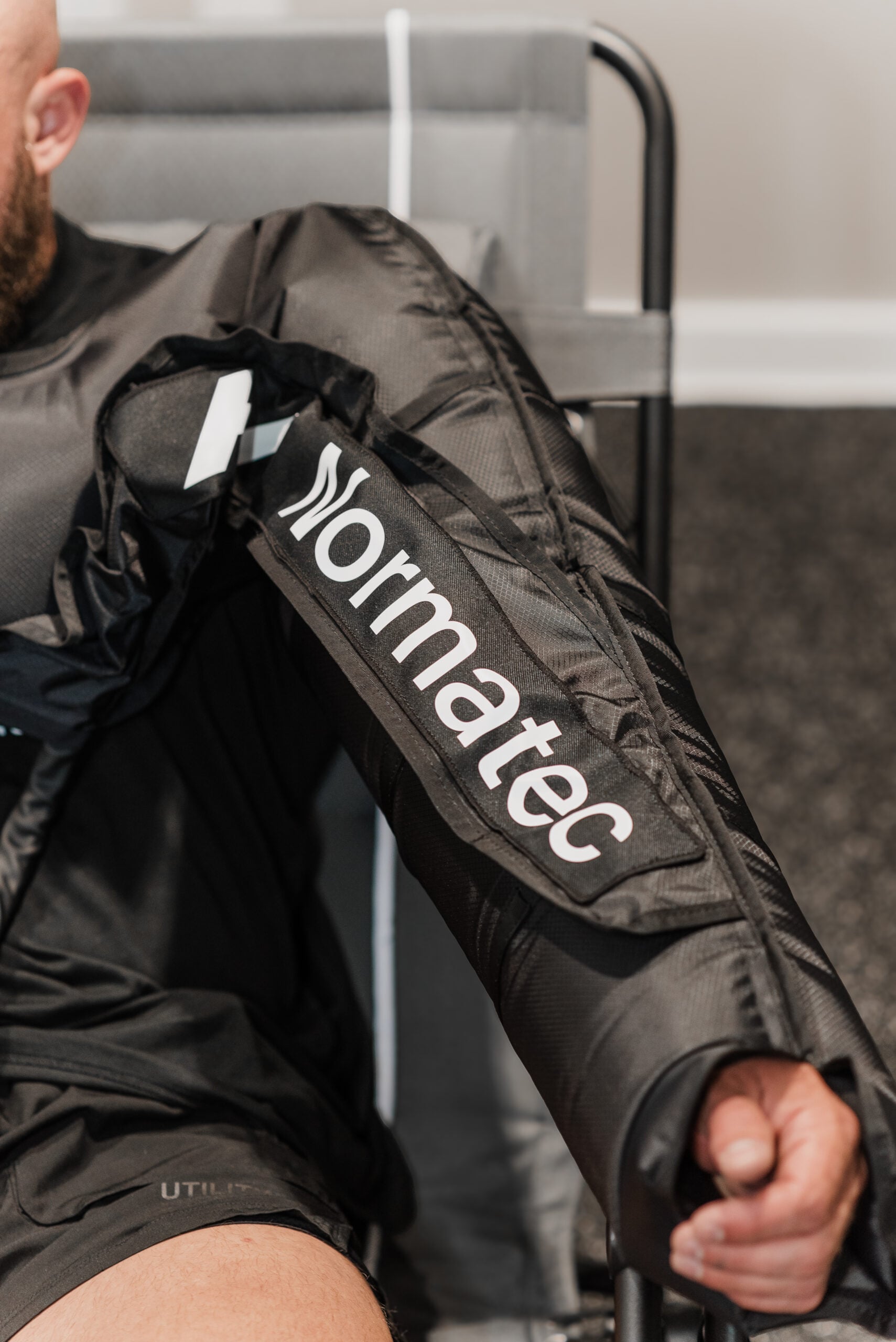
Compression Therapy: 7/10
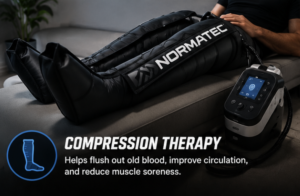
Compression therapy remains one of the most practical recovery tools available.
By helping improve circulation and support the movement of blood and lymphatic fluid, compression therapy may reduce muscle soreness and help athletes feel better between training sessions.
While it isn’t going to dramatically accelerate healing on its own, it’s versatile, convenient, and often leaves people feeling noticeably better after tough workouts.
Many athletes use compression boots after long runs, tournaments, or heavy training blocks to help reduce fatigue and improve recovery.
Best for: Muscle soreness, circulation, travel recovery, and post-exercise recovery.
Hyperbaric Oxygen Therapy: 10/10
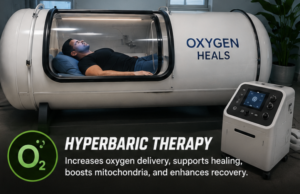
If we’re talking purely about recovery potential, hyperbaric oxygen therapy (HBOT) may be one of the most powerful tools available.
Hyperbaric therapy exposes the body to increased atmospheric pressure while breathing concentrated oxygen. When delivered at therapeutic pressures—typically 2.0 ATA or higher—it may help increase oxygen delivery to tissues throughout the body.
Research has shown potential benefits for wound healing, tissue repair, recovery from certain injuries, inflammation reduction, and cellular function. Increased oxygen availability can support the body’s natural healing processes and recovery mechanisms.
For athletes and active individuals looking to optimize recovery, hyperbaric oxygen therapy is difficult to beat.
Best for: Injury recovery, wound healing, tissue repair, and overall recovery optimization.
According to the Undersea and Hyperbaric Medical Society (UHMS), hyperbaric oxygen therapy has been used for a variety of medical conditions and continues to be studied for additional recovery applications.
The Bottom Line
Recovery isn’t about finding a magic solution. The most effective recovery strategy still starts with quality sleep, proper nutrition, hydration, smart training, and individualized care.
At Apex Physical Therapy & Sports Performance, we help athletes and active adults throughout Cumming, Milton, Alpharetta, and Forsyth County recover from injuries, improve performance, and stay active for the long term. Our one-on-one approach includes services such as SoftWave Therapy, Dry Needling, Manual Therapy, Blood Flow Restriction Training, and customized recovery programs designed around your goals.
If you’re struggling with pain, recurring injuries, or slow recovery, contact Apex Physical Therapy & Sports Performance today to schedule an evaluation.
Frequently Asked Questions
What is the best recovery method for athletes?
Sleep, nutrition, hydration, and proper training remain the most effective recovery tools. Modalities like sauna, compression therapy, and hyperbaric oxygen therapy can provide additional benefits.
Are ice baths bad for muscle growth?
Ice baths immediately after training may reduce some of the inflammatory response necessary for muscle adaptation and growth.
Does red light therapy actually work?
Red light therapy may support recovery and tissue health, but most people need frequent and consistent treatments to experience meaningful results.
Is hyperbaric oxygen therapy worth it?
For injury recovery and tissue healing, hyperbaric oxygen therapy is one of the most promising recovery modalities available when performed at therapeutic pressure levels.
Where can I find sports physical therapy in Cumming or Milton, GA?
Apex Physical Therapy & Sports Performance provides one-on-one sports physical therapy, injury rehabilitation, recovery services, and performance-focused care in both Cumming and Milton, Georgia.