As we move through our 30s and beyond, it is common to notice more stiffness in the hips, shoulders, ankles, or lower back. Long hours at a desk, repetitive movements, previous injuries, and changes in activity levels can all affect how freely your body moves.
Beginning around age 30, adults can gradually start to lose muscle mass and strength, especially without regular physical activity. This natural process can affect balance, mobility, posture, and the ability to complete everyday movements comfortably. Staying active through strength training, mobility work, and regular stretching can help preserve muscle function and support healthy movement as you age.
The good news is that maintaining mobility does not require a complicated routine. Adding a few intentional stretches to your day can help you move more comfortably, prepare for exercise, and reduce stiffness after prolonged sitting.
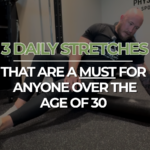
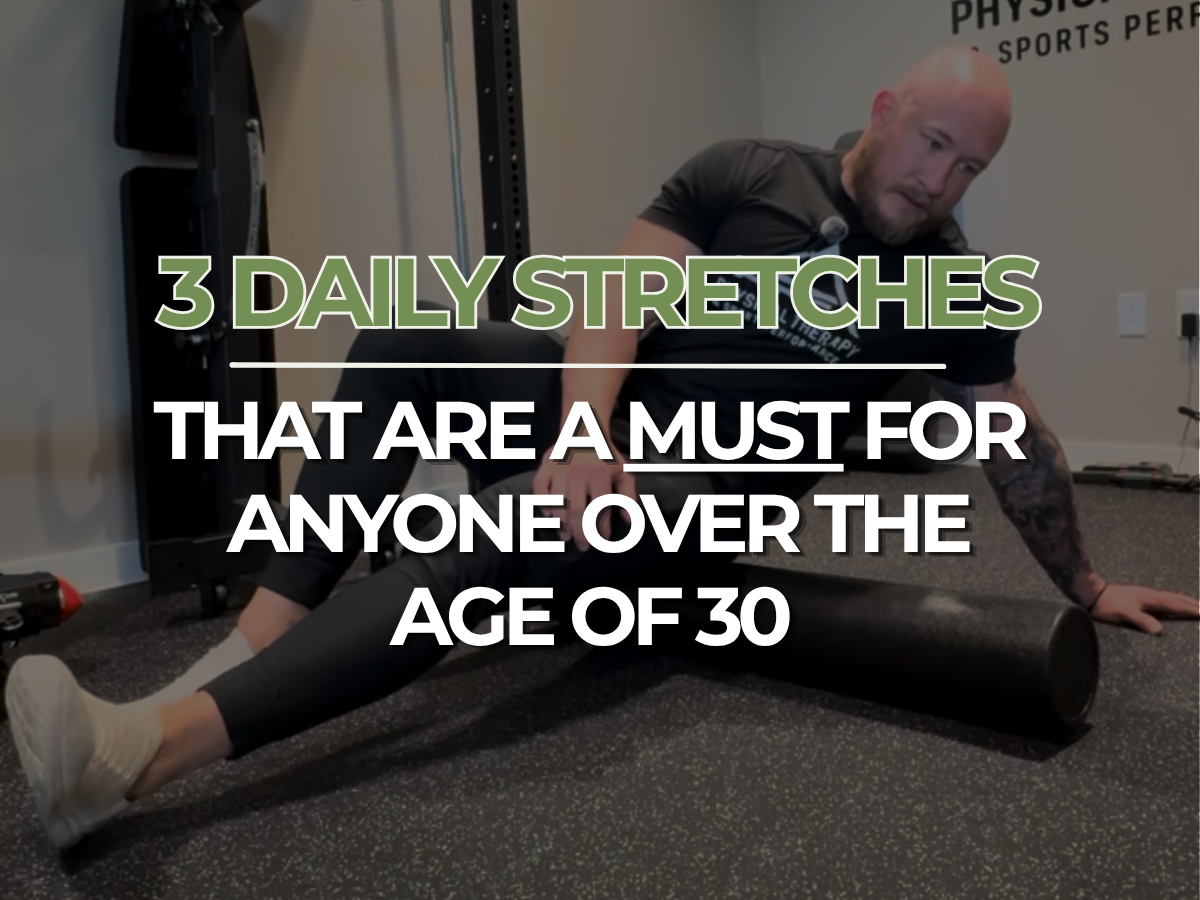
Here are three mobility exercises recommended by the team at Apex Physical Therapy & Sports Performance in Cumming and Milton, Georgia.
1. The World’s Greatest Stretch
The World’s Greatest Stretch earns its name by addressing several areas of the body in one movement. It helps open the hips, stretch the hamstrings and hip flexors, and encourage movement through the spine, chest, and shoulders.
This dynamic stretch can be especially useful before running, lifting weights, playing a sport, or completing another workout. It is also a great way to get moving after spending several hours sitting.
How to Perform the World’s Greatest Stretch
- Begin in a high plank position with your hands directly beneath your shoulders.
- Step your right foot forward and place it outside your right hand.
- Keep your left leg extended behind you while gently lowering your hips toward the floor.
- Bring your right elbow toward the inside of your right foot.
- Rotate your torso and reach your right arm toward the ceiling.
- Return your right hand to the floor and step back into a high plank.
- Repeat the movement on the opposite side.
Move slowly and stay within a comfortable range of motion. You should feel a stretch, but not sharp or pinching pain.
2. Weighted Shoulder Around the World
The weighted shoulder around the world, sometimes called a supine weighted shoulder mobility stretch, is designed to encourage shoulder and rotator cuff mobility. It can also help reduce stiffness, support overhead movement, and gently strengthen the muscles responsible for stabilizing the shoulder.
This exercise may be helpful for active adults who lift weights, play overhead sports, or regularly experience shoulder tightness. Because it uses resistance, begin with a very light weight and focus on control rather than intensity.
How to Perform the Weighted Shoulder Around the World
- Lie flat on your back with your knees bent and feet resting on the floor.
- Hold a light 1- to 3-pound weight in one hand. Extend that arm with your thumb pointing upward.
- Slowly move your arm overhead, keeping it as close to the floor as is comfortable.
- Continue moving your arm outward toward your side in a wide, controlled arc.
- Reverse the movement, bringing your arm overhead and back to the starting position.
- Complete several slow repetitions before switching arms.
Do not force your arm to remain against the floor. Your available range will depend on your current shoulder mobility. Stop if the movement causes pain, numbness, tingling, or a feeling of instability.
3. Deep Squat Hip Mobility Stretch
The deep squat hip mobility stretch targets the hips, ankles, groin, and inner thighs. It can also help prepare your body for squats, lunges, and other lower-body movements.
Good hip and ankle mobility can make everyday activities such as getting out of a chair, climbing stairs, bending down, or exercising feel more natural and controlled.
How to Perform the Deep Squat Hip Mobility Stretch
- Stand with your feet wider than shoulder-width apart and your toes turned slightly outward.
- Lower into a deep sumo squat while keeping your chest lifted and heels on the floor.
- Place your elbows against the insides of your knees.
- Gently press your knees outward with your elbows to deepen the stretch.
- Slowly shift your weight from side to side while remaining low.
- Gently bring your knees inward, then press them outward again using a slow, controlled motion.
- Continue for several repetitions before carefully standing.
If your heels lift or you cannot comfortably reach a deep position, work within the range you currently have. Holding onto a stable surface may provide additional support.
Dr. Natan Teter recently demonstrated how to do each of these stretches in a video. Check it out on our social media here!
When Stretching Is Not Enough
These movements can be a helpful addition to your mobility routine, but they should not be used to push through an injury. Persistent pain, recurring tightness, weakness, or limited range of motion may indicate an underlying issue that needs a more individualized approach.
At Apex Physical Therapy & Sports Performance, we look beyond the location of your symptoms to identify movement limitations and develop a treatment plan based on your needs and goals. Whether you want to return to a sport, improve your workouts, recover from an injury, or simply move through daily life more comfortably, our team is here to help.
Contact Apex Physical Therapy & Sports Performance to schedule an appointment at our Cumming or Milton, Georgia location and take the next step toward moving and feeling your best.