Whether you’re preparing for football, volleyball, soccer, basketball, baseball, or any other sport, tryouts are your chance to make a strong first impression. While most athletes spend weeks practicing skills and conditioning, many overlook the habits that help them perform at their best and reduce their risk of injury.
At Apex Physical Therapy & Sports Performance, we work with athletes of all ages to help them move better, recover faster, and stay healthy throughout the season. Here are five things every athlete should do before tryouts.
1. Schedule a Preseason Injury Screening
One of the biggest mistakes athletes make is waiting until they’re injured to seek help.
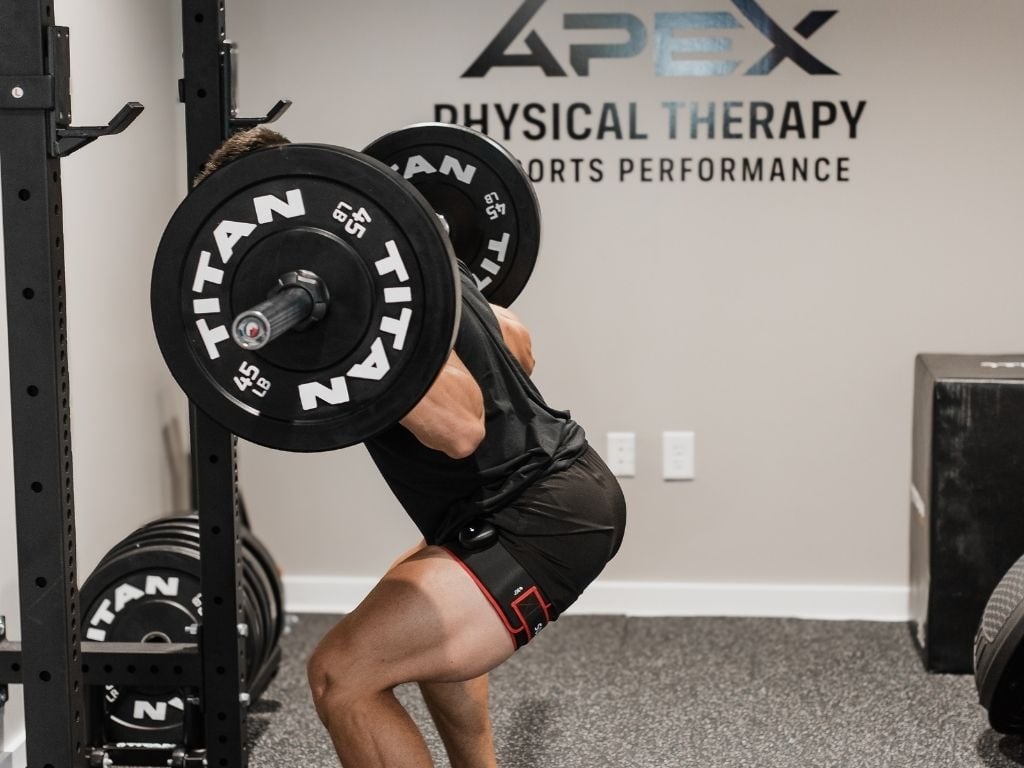
Small aches, muscle imbalances, limited mobility, or movement issues can often be identified before they become injuries that keep you off the field or court. A preseason injury screening allows a physical therapist to evaluate your movement, flexibility, strength, balance, and overall readiness for competition.
Addressing these issues early can improve performance while reducing your risk of injury during the season.
2. Prioritize Sleep and Recovery
Recovery is just as important as training.
During sleep, your body repairs muscle tissue, replenishes energy stores, and supports hormone production that contributes to strength, endurance, and athletic performance. Athletes who consistently get enough quality sleep often experience better reaction times, improved focus, and faster recovery between workouts.
Aim for 8-10 hours of sleep each night leading up to tryouts, especially during periods of intense training.
3. Stay Ahead of Your Hydration
Hydration doesn’t start the morning of tryouts.
Proper hydration helps regulate body temperature, supports muscle function, and improves endurance. Even mild dehydration can affect strength, speed, coordination, and concentration.
Begin increasing your water intake several days before tryouts and continue drinking fluids consistently throughout the day. If you’re training outdoors in Georgia’s summer heat, replacing electrolytes may also be beneficial after longer workouts.
4. Don’t Ignore Minor Pain or Tightness
It’s common for athletes to experience soreness after training. Persistent pain, however, is different.
If you’ve been dealing with knee pain, shoulder discomfort, shin splints, ankle soreness, or recurring muscle tightness, don’t assume it will simply go away once the season starts. In many cases, these small issues become larger problems when training intensity increases.
Getting evaluated before tryouts allows you to address the underlying cause before it affects your performance.
5. Never Skip Your Warm-Up
A proper warm-up prepares your body to perform.
Dynamic movements increase blood flow, activate key muscle groups, improve mobility, and help prepare your nervous system for explosive movements like sprinting, jumping, and changing direction.
Instead of immediately jumping into drills, spend 10-15 minutes performing dynamic stretches such as:
- High knees
- Leg swings
- Walking lunges
- Butt kicks
- Lateral shuffles
- Arm circles
A quality warm-up can improve performance while helping reduce your risk of strains and other preventable injuries.
Set Yourself Up for Success
Making the team isn’t just about talent. It’s about showing up healthy, prepared, and ready to perform when it matters most.
By focusing on recovery, hydration, injury prevention, and proper preparation before tryouts, you’ll give yourself the best opportunity to compete at a high level throughout the season.
If you’re preparing for upcoming tryouts and want to make sure your body is ready, the team at Apex Physical Therapy & Sports Performance can help. Our sports performance specialists work with athletes of all ages to improve movement, prevent injuries, and help you perform at your highest level.
Frequently Asked Questions
Should I see a physical therapist even if I’m not injured?
Yes. Physical therapists don’t just treat injuries—they also help identify movement limitations, muscle imbalances, and mobility issues that can increase your injury risk or affect performance.
How far before tryouts should I schedule an injury screening?
Ideally, schedule your screening two to four weeks before tryouts. This provides enough time to address any concerns before the season begins.
Is soreness before tryouts normal?
General muscle soreness after training is common. However, sharp pain, swelling, joint pain, or discomfort that doesn’t improve after a few days should be evaluated by a healthcare professional.
What should I eat before tryouts?
Focus on balanced meals that include carbohydrates for energy, lean protein for muscle support, and plenty of fluids. Avoid trying new foods immediately before tryouts.
Can physical therapy improve athletic performance?
Absolutely. Physical therapy can improve strength, mobility, balance, movement efficiency, and recovery while helping reduce injury risk, allowing athletes to perform with greater confidence throughout the season.
Contact us today to schedule your pre-season preparation appointment!